
Heavyweight vs regular t-shirts: what GSM means and which to buy
Heavyweight vs regular t-shirts explained: what GSM and oz per square yard mean, the weight ranges, how each one fits, feels and lasts, and which to pick.
A heavyweight t-shirt is made from denser fabric, usually about 180 GSM (grams per square meter) or more, while a regular tee is closer to 120 to 180 GSM. Heavyweight tees feel thicker, hold their shape, are less see-through and drape away from the body instead of clinging. Regular tees are lighter, cooler and better for layering and hot days.
What does GSM mean?
GSM stands for grams per square meter. Printful defines it simply: it is how much one square meter of the fabric weighs, and a higher number means a denser, heavier fabric. In the US you will also see ounces per square yard (oz/yd²). Custom Ink notes that ounce weight describes how dense the fabric is, not how much the finished shirt weighs. To convert, multiply ounces by about 33.9: a 5 oz tee is about 170 GSM, and a 6.5 oz tee is about 220 GSM.
What counts as lightweight, midweight and heavyweight?
There is no official cutoff, and sources draw the lines a little differently. Here is how three of them compare:
- Printful: lightweight 120 to 150 GSM (3.5 to 4.5 oz), midweight 150 to 180 GSM (4.5 to 5.3 oz), heavyweight 180 to 254 GSM (5.3 to 7.5 oz).
- Shopify: lightweight 120 to 150 GSM, midweight 150 to 180 GSM, heavyweight about 180 to 200 GSM, and super heavy at 240 GSM and up.
- Custom Ink: lightweight under 5.0 oz, midweight 5.0 to 5.9 oz, heavyweight over 6.0 oz.
In practice: under about 150 GSM is a soft, thin tee you can see light through. Around 160 to 180 is the classic everyday tee. Over 200 starts to feel like a boxy, structured streetwear tee.
Heavyweight vs regular t-shirt: what is the difference you can feel?
- Drape: a heavy tee hangs straight and stands slightly away from the body. A light tee follows every curve. Many curvy women prefer the heavy one for exactly that reason.
- Coverage: denser fabric is less see-through, which matters most in white and cream. That also makes it easier to choose what bra to wear under a t-shirt.
- Durability: Printful says denser fabric resists wear and keeps its shape through repeated washes, while lightweight tees can show wear sooner.
- Temperature: Printful links heavyweight tees with cooler climates and lightweight tees with summer, athletic wear and layering.
- Layering: a thin tee disappears under a sweater. A heavy tee can be the outer layer on its own, or a structured base under an open shirt.
- Shipping and price: Shopify notes heavier shirts cost more to ship and take more room, which is part of why heavyweight tees often cost more.
Do heavyweight tees shrink more?
All cotton knits shrink some, heavy or light. Cotton Incorporated's technical bulletin on cotton fabrics explains why: knitting and finishing leave tension in the yarn loops, and when cotton gets wet and then dries, the loops relax and the fabric gets shorter. Its tests found that unrestrained tumble drying allows the most drying shrinkage, and that one wash and tumble cycle removes about 90% of the shrinkage that is going to happen. Interestingly, the dryer temperature itself made little difference in those tests; the tumbling did. Printful adds that heavier 100% cotton tees above about 5.3 oz can shrink more noticeably in the first wash if the fabric was not pre-shrunk.
What that means for you: wash cold, and either line dry or tumble briefly on low. If a tee fits perfectly now, skip the full hot dry. Our guide on how to keep white shirts white has more on washing light tees.
How can I tell a tee's weight when I shop online?
- Look for a number. GSM or oz is usually in the description or the fabric details. If you only see ounces, multiply by about 33.9.
- Read the words. "Heavyweight", "thick" or "premium weight" usually mean 180 GSM and up; "soft", "lightweight" or "slub" usually mean thinner.
- Check the fit notes. Heavyweight tees are often cut boxy or oversized, so the size chart may run roomy on purpose.
- Look at photos of white or light colors in daylight. If you can see skin or a bra through the model's tee, it is on the light side.
- When no number is listed, ask. A brand that knows its fabric should be able to tell you.
Which one should I buy?
- Choose heavyweight if you want a tee that does not cling, works as a top on its own, looks more polished with jeans, or you want white that is less see-through.
- Choose regular or lightweight if you run warm, want a base layer under sweaters, or you need something soft for workouts and sleep.
- Check the fiber too. Combed cotton has the short, coarse fibers removed, which Custom Ink says makes it softer and stronger than average. For how cotton compares to synthetics, see cotton vs polyester clothes.
Our Heavyweight Cotton Tee is made for the no-cling look: 100% combed cotton with an oversized fit, in M to 3XL and six colors (Onyx, White, Cream, Olive, Mocha and Charcoal). Our supplier lists it as heavyweight, and we are confirming the exact GSM before we publish a number. Choose by bust; size up for more room or down for a closer fit. It ships from our China warehouse, so it takes longer to arrive than our US items. It is also part of The Everyday Set with the Stretch Skinny Jeans and the Belted Utility Shirt. For outfit ideas, see how to style an oversized t-shirt.
Mentioned here
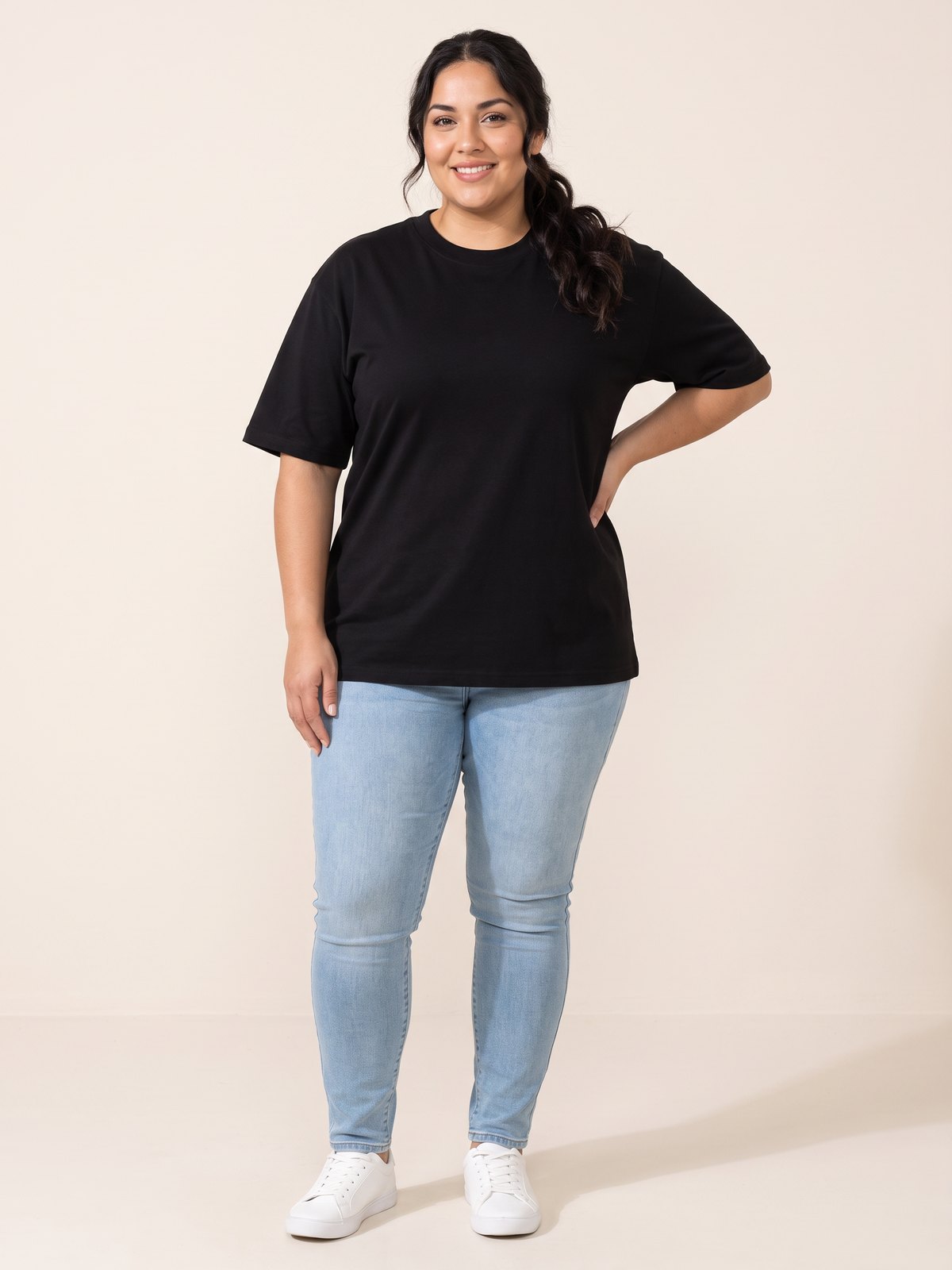
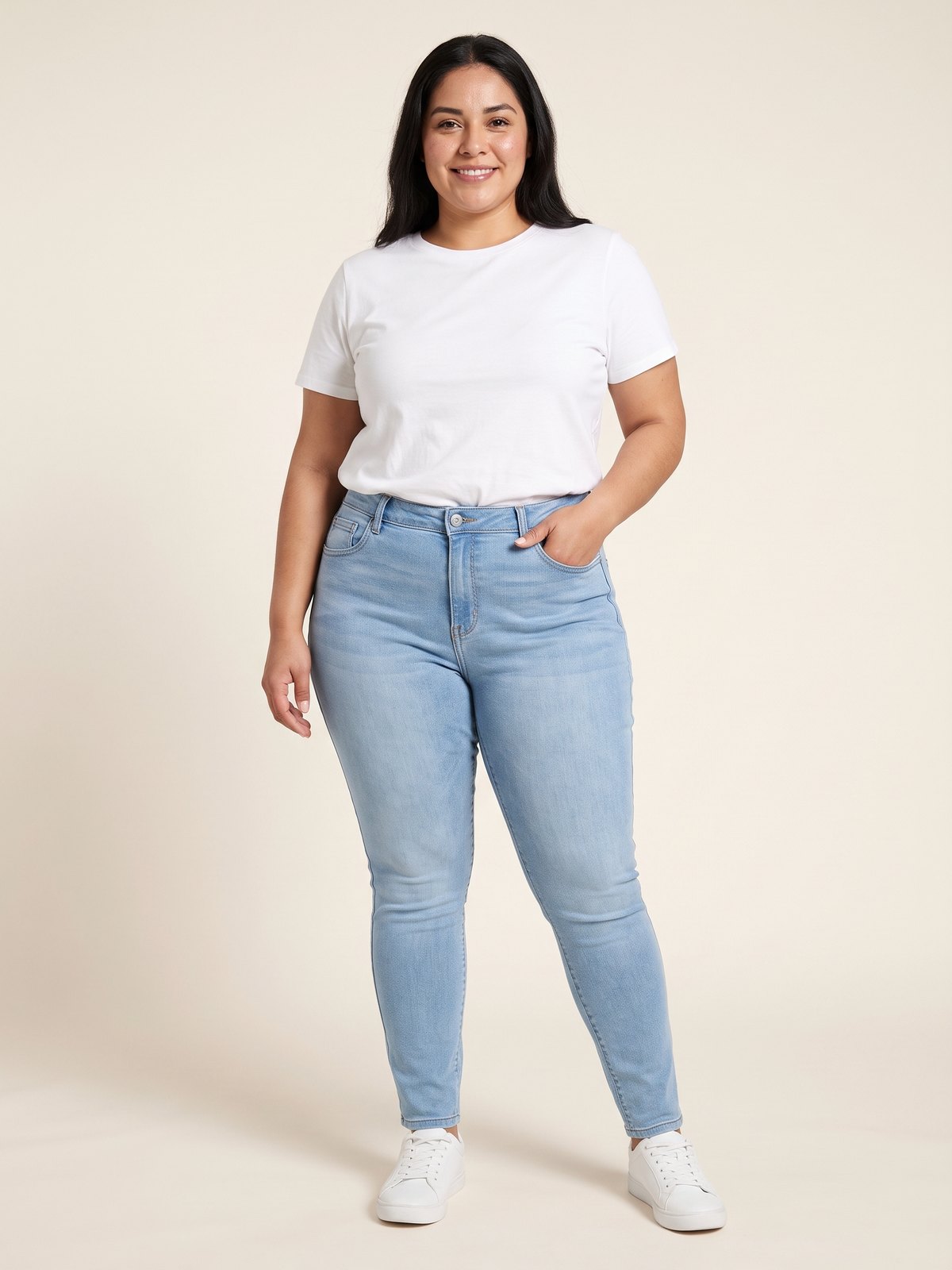
Questions
What does GSM mean on a t-shirt?
GSM stands for grams per square meter. It measures how much one square meter of the fabric weighs, so a higher GSM means a denser, thicker fabric. It describes the fabric, not the weight of the finished shirt.
What GSM is a heavyweight t-shirt?
Roughly 180 GSM and up, which is about 5.3 oz per square yard and up. Printful puts heavyweight at 180 to 254 GSM, and Custom Ink calls anything over 6.0 oz heavyweight. Super heavy tees go past 240 GSM.
How do I convert oz to GSM?
Multiply ounces per square yard by about 33.9. A 6 oz shirt is about 203 GSM, and a 4.5 oz shirt is about 153 GSM.
Are heavyweight t-shirts hotter?
They can feel warmer because there is more fabric, and Printful links heavyweight tees with cooler climates. Many people still wear them all year because thick cotton breathes and does not cling.
Do heavyweight cotton t-shirts shrink?
All cotton knits can shrink, mostly in the first wash and dry. Cotton Incorporated's research found that tumble drying lets the most shrinkage happen, so wash cold and line dry or tumble low if you want to keep the original size.
Keep reading
Sources: Printful: t-shirt weight guide · Shopify: how much does a shirt weigh · Custom Ink: glossary of terms · Cotton Incorporated: guide to improved shrinkage performance of cotton fabrics (PDF)