
How to prevent sports bra chafing under the breast
Why sports bras chafe under the breast and along the band, and how to prevent it: fit checks, fabric, a barrier balm, drying, and when to see a doctor.
Sports bra chafing comes from friction plus moisture, usually along the band under your breasts, at the sides and over the shoulders. To prevent it, make sure the band fits snugly and lies flat, choose a soft, moisture-wicking bra, put an anti-chafing balm on the spots that rub before you start, and get out of the damp bra soon after you finish. Here is each step, and what to do if your skin is already sore.
Why does my sports bra chafe under my breasts?
The European Academy of Dermatology and Venereology (EADV) lists the usual causes of sports bra chafing:
- A bra that fits poorly or does not suit your body shape.
- Abrasive fabrics, seams and underwires pressing on the skin.
- Sweat and humid conditions.
- Larger breast size and long sessions such as long runs or races.
- Dry skin, and heart rate monitor chest straps.
Cleveland Clinic adds that the areas under and between the breasts are common chafing spots because skin rubs on skin and on clothing there, and that heat and sweating make it worse. Breast Cancer Now notes that a related condition, intertrigo, is more common in people with larger breasts and people who are physically active.
How should a sports bra fit to prevent chafing?
A band that moves is a band that rubs. Check these points:
- Band: snug and level all the way around. REI says it should sit on your rib cage, not on breast tissue, with about two fingers of room. If it rides up in back, try a smaller band.
- Cups: your breast fully inside, no spilling under the band. Spilling means skin-on-skin rubbing underneath.
- Straps: secure with minimal stretch, not digging in.
- Seams and closures: run a finger along the inside. Any ridge or tag that sits where you sweat will rub.
The EADV recommends trying a new bra on short sessions before a long workout. For the full fit check, see how to choose a sports bra for a large bust.
What fabric is best to prevent chafing?
For workouts, Cleveland Clinic recommends moisture-wicking fabrics over cotton, which holds moisture and dries slowly, and points out that tags and seams can also rub. Breast Cancer Now agrees that a well-fitting, moisture-wicking bra helps draw sweat off the skin during exercise. For everyday wear when skin under the breast is already irritated, Breast Cancer Now suggests natural fabrics like cotton, or a cotton layer under your bra, because some synthetics can trap moisture. So: wicking for the workout, soft and breathable for the rest of the day.
How do I stop chafing during a workout?
- Apply a barrier first. The EADV and Cleveland Clinic both suggest an anti-chafing cream, stick or petroleum jelly before activity, along the band line and any spot that has rubbed before.
- Start dry. Make sure skin under your breasts is fully dry before you put the bra on.
- Stop at the first sting. Cleveland Clinic says to stop the activity as soon as you feel chafing start.
- Rotate bras. REI suggests changing styles for high-impact sessions so the band does not hit the same line every time, and retiring worn bras, which raise chafing risk.
- Change quickly after. Do not sit in a damp bra; shower or at least wipe and dry the skin.
How do I treat chafing under my breasts?
Cleveland Clinic's advice for mild chafing: remove the source of friction, wash gently with mild soap and water, dry the area thoroughly, and apply aloe vera gel or petroleum jelly. Mild chafing usually clears within a few days once the rubbing stops. Breast Cancer Now suggests patting the skin dry with a soft towel or using a hair dryer on a cool setting.
See a doctor or pharmacist if it gets worse, oozes, does not improve with care, or keeps coming back. The EADV notes that red, itchy skin under the breasts can also be a fungal infection, psoriasis or contact dermatitis, sometimes triggered by detergents or even anti-chafing creams, and these need different treatment.
Can my laundry routine help?
Yes. Sweat and detergent residue left in a band can irritate skin, and the EADV mentions detergents as a possible trigger for contact dermatitis. Rinse well, use a normal or light dose of detergent, and dry bras completely before you wear them again. Our guide on getting the smell out of workout clothes has a gentle routine, and how to stop thigh chafing covers the rest of the body.
Does strap style affect chafing?
It can. Straps that slip off and get pulled back up all workout rub at the shoulder, which the EADV lists as one of the usual chafing spots. A racerback keeps straps anchored between the shoulder blades, while REI notes some people feel pressure at the neck in that style. If the shoulder is where you chafe, try the other back style and see which leaves your skin calmer. Our comparison of racerback vs regular strap sports bras walks through the trade-offs.
What about our sports bra?
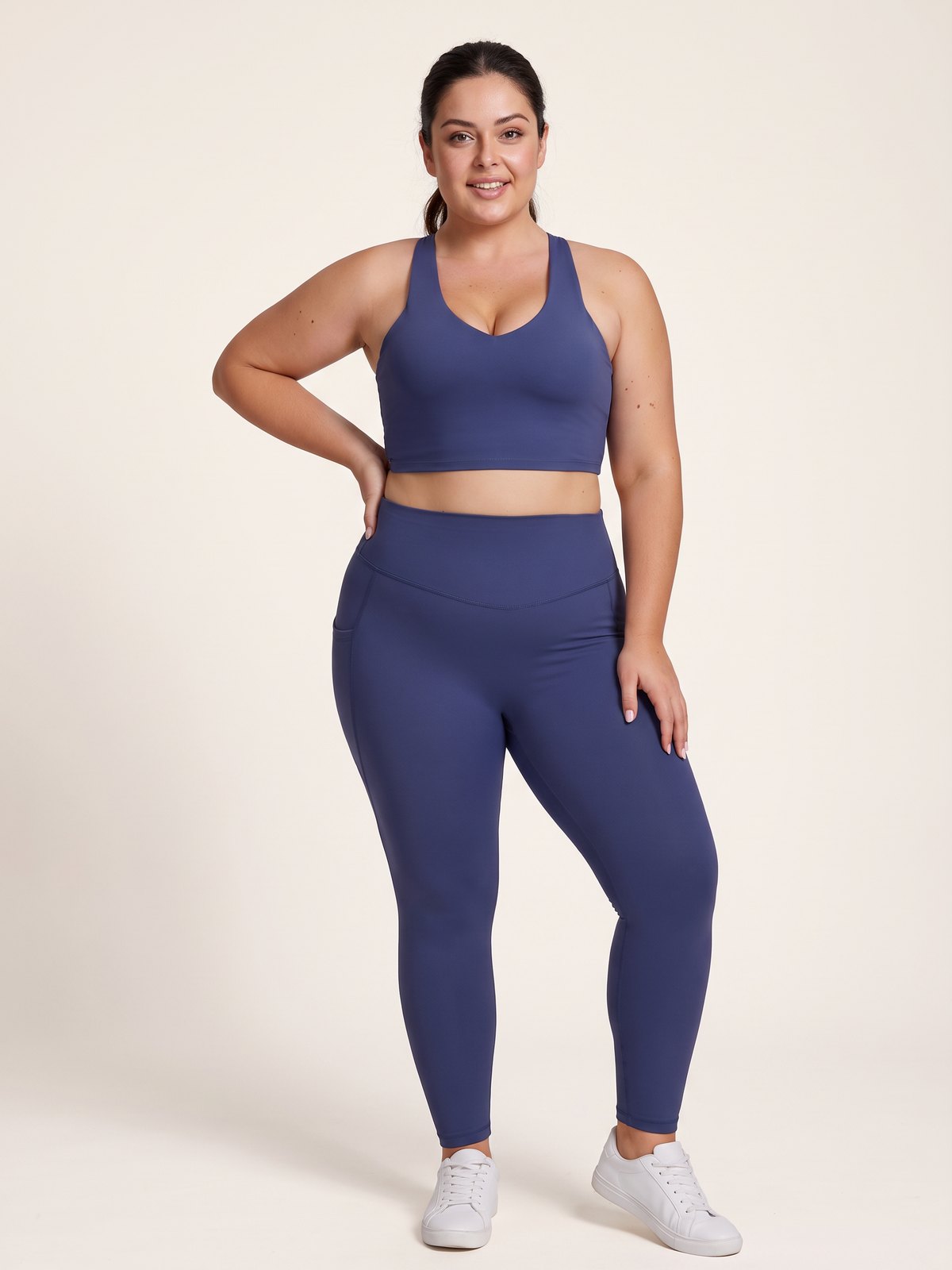
Our Racerback Sports Bra is a cropped racerback in a nylon stretch knit with removable pads. It is sized S to 3XL by bust on an estimated chart, and the most useful thing you can do for chafing is get the band right: if you are between sizes, size up rather than wearing a band that digs in. Try it on a short workout first, as the EADV suggests. It comes in Navy, Mocha, Milk Tea and Onyx, ships from our China warehouse so it takes longer to arrive, and is final sale like all our bras.
Mentioned here
Questions
Why does my sports bra chafe under my breasts?
Friction plus moisture. The European Academy of Dermatology and Venereology lists poorly fitting bras, abrasive fabrics, sweat, larger breast size and long sessions as common causes, with chafing most often under the breasts, on the sides and over the shoulders.
How do I stop sports bra chafing?
Get the fit right, choose a soft band and moisture-wicking fabric, apply an anti-chafing balm or petroleum jelly before you start, and change out of the bra and dry your skin soon after you finish.
What do I put on sports bra chafing?
Cleveland Clinic suggests gently washing with mild soap and water, drying well, and applying petroleum jelly or aloe vera gel. Stop the activity that caused it until it heals, usually within a few days.
Is a rash under the breast always chafing?
No. The EADV notes red, irritated skin under the breasts can also be a fungal infection, psoriasis or contact dermatitis, and Breast Cancer Now advises asking a doctor or pharmacist because other skin conditions can look similar.
Can a new sports bra cause chafing?
Yes. The EADV suggests trying a new bra on short sessions first, before you wear it for a long workout or race.
Keep reading
Sources: Cleveland Clinic: chafing · EADV (European Academy of Dermatology and Venereology): sports bra related chafing in female athletes (PDF) · Breast Cancer Now: intertrigo (rash under the breast) · REI Expert Advice: how to choose sports bras